Ignite Homegrown Fluency with Family Challenge Kits
Today we dive into Family Challenge Kits to Develop Multi-Skill Fluency at Home, practical bundles that transform ordinary evenings into lively workshops for reading, math, creativity, communication, and resilience. Expect playful prompts, clear routines, and real stories that make practice irresistible. Try a simple starter tonight, then share your family’s favorite twist, subscribe for weekly challenges, and help other households discover how small, repeatable wins can grow confident learners and stronger bonds without adding stress to already full schedules.
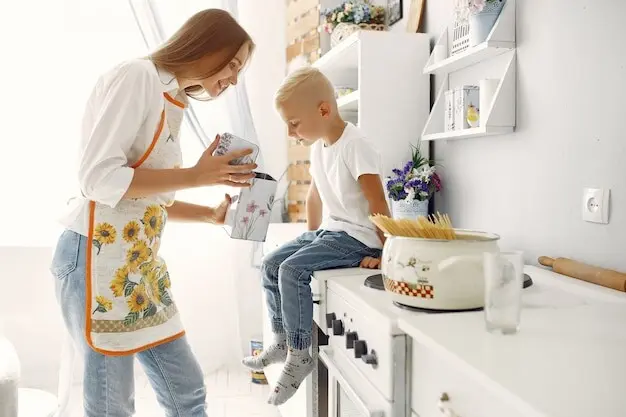
Why Challenges Turn Home Time into a Skill Studio
Short, varied challenges create a sweet spot for learning because they mix novelty with structure. Blending reading, estimation, design, and reflection keeps motivation high while quietly building transfer. Research on interleaving, retrieval practice, and formative feedback underpins these routines, yet everything still feels like play. Families report less nagging, more laughter, and steady progress that shows up during homework, chores, and conversations, proving that joyful rigor belongs as much at the kitchen table as in any classroom or tutoring center.

Interleaving That Mirrors Real Life
Instead of drilling one narrow skill, rotate through connected mini-tasks: measure ingredients, estimate costs, narrate a two-sentence summary, sketch a quick diagram. This playful switching improves flexibility and endurance. Kids begin to recognize patterns, transfer strategies between domains, and keep curiosity alive. Parents notice fewer meltdowns because novelty breaks monotony, and small successes stack quickly. Over time, families see complex tasks feel simpler, since practice has already mixed the cognitive ingredients they will meet in school and beyond.
Playful Retrieval Beats Cramming
Tiny, frequent prompts coax knowledge back out of memory, strengthening recall without lectures. Turn facts into puzzles, lightning rounds, or scavenger hunts so brains must actively reconstruct ideas. A deck of homemade question cards beside snacks can spark surprising conversations. When answers stumble, treat it like a detective story, not a failure. The cycle of guess, check, and refine builds confidence. Before long, children self‑prompt during chores or games, proving that effortful recall can feel natural and fun.
Feedback that Feels Safe and Specific
Swap vague praise for concrete, kind pointers: name what worked, describe one adjustment, and invite a quick retry. Use timers and visuals to keep tone light. Families often adopt a shared phrase like “one bright spot, one nudge,” reducing defensiveness. When feedback is predictable and gentle, kids risk more ambitious attempts. Parents model growth by taking turns as learners, too. Over weeks, the household vocabulary shifts toward strategies, evidence, and reflection, making progress visible and setbacks easier to navigate together.
Assemble Your First Kit from Everyday Stuff
You don’t need fancy materials. Start with index cards, dice, tape, a marker, string, measuring cups, recycled boxes, and a timer. Add a notebook for reflections and a small envelope for rewards or notes. Choose one guiding goal, then combine literacy, numeracy, creativity, and collaboration prompts around it. Keep each activity bite‑sized, resettable, and easy to clean up. Your kit should live where your family naturally gathers, reducing friction so practice starts quickly and ends with smiles rather than power struggles.
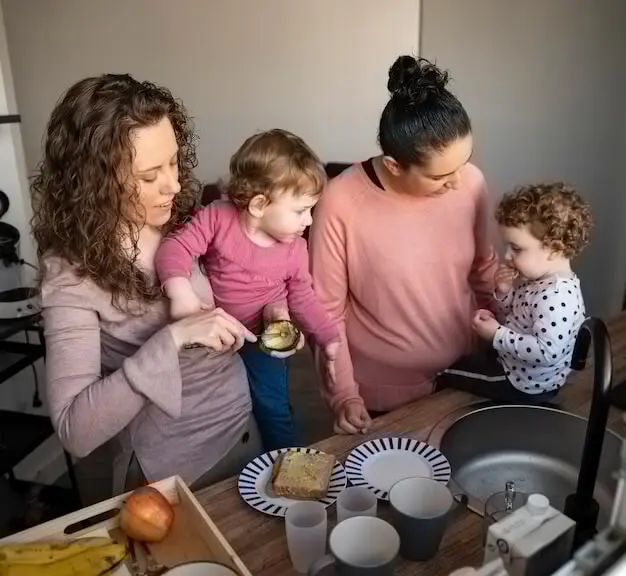
Choose One North Star and Three Supporting Moves
Pick a clear outcome like stronger estimation or richer explanations. Then select three supporting moves, such as quick reads, hands-on measures, and short oral summaries. This keeps focus without becoming narrow. Post the North Star on the box lid so everyone remembers why activities matter. Rotate the supporting moves across the week to reinforce transfer. Families report that naming intent reduces confusion, improves persistence, and helps children connect each playful prompt to meaningful skills that extend beyond a single worksheet.

Design Constraints that Spark Creativity
Constraints channel energy. Try rules like only cardboard tools today, or every solution needs a diagram, or explain your answer to a stuffed animal first. Limits reduce decision fatigue and increase ingenuity. When materials stay humble, perfectionism relaxes. Children experiment freely, and parents feel comfortable letting projects get delightfully messy. Over time, you’ll discover signature constraints your family loves, creating reliable momentum on busy nights. The secret is consistent structure paired with surprising twists, keeping effort focused and fresh.
A Repeatable 7‑Day Sprint the Whole Family Can Own
Structure one week like a friendly game season. Plan short sessions, rotate leadership, and keep a visible scoreboard focused on effort, not competition. Early days warm up, midweek stretches complexity, weekends showcase results and gratitude. Everyone gets roles suited to strengths and growth areas. This rhythm respects busy schedules while preserving continuity essential for durable gains. After each sprint, reset goals lightly, swap a couple prompts, and carry forward winning rituals so the experience evolves without losing its comforting heartbeat.
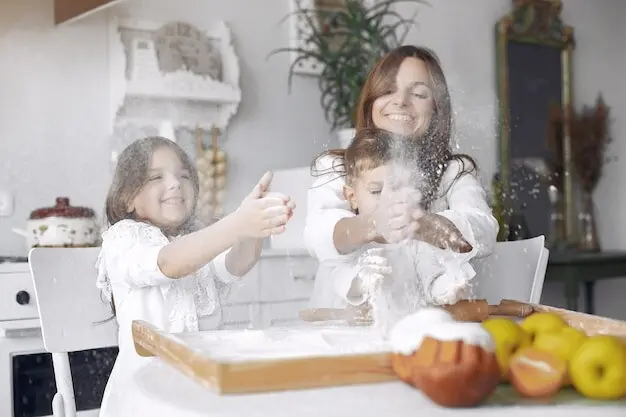
Stories You Can Steal: Wins, Stumbles, and Surprises
Households report delightful transformations when routines stay short and playful. One parent described how a reluctant reader raced to decode a recipe during a bake-off. Another family solved neighborhood measurement puzzles and discovered patient turn-taking. A shy tween found voice through timed debates about snack budgets. Not every attempt soars, yet even flops teach iteration and humor. Borrow these patterns, adapt freely, and share back your experiments so other families can learn from your breakthroughs, detours, and joyful rediscoveries of learning together.
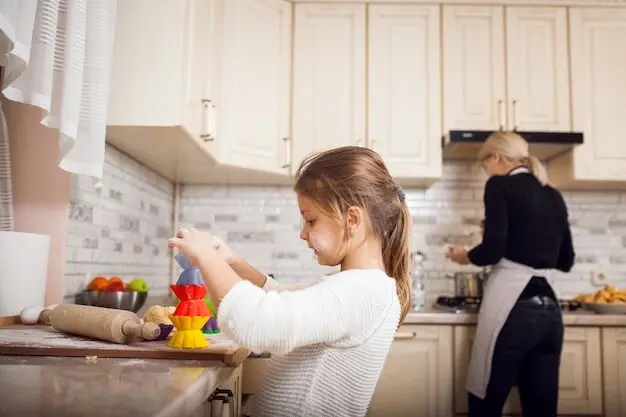
One Size Fits None: Adaptations for Age and Ability
Great kits flex. Younger kids need more tactile tasks, fewer steps, and big visuals. Older learners crave autonomy, leadership, and harder puzzles. Neurodiverse children benefit from predictability, sensory choices, and clear signals for transitions. Translate reading loads using icons or audio. Offer opt‑in challenges and quiet corners. Rotate spotlight moments so every person teaches once in a while. When design honors differences without fuss, engagement rises and conflict falls, proving inclusion is not an add‑on but foundational to sustainable, joyful practice.
Keep It Going Without Burnout
Longevity relies on friction reduction, tiny wins, and meaningful celebration. Store the kit within reach, pre‑reset after each session, and cap time before energy fades. Track streaks lightly and highlight strategies, not scores. Rotate one novelty item weekly to renew interest. If life gets chaotic, shrink scope, never identity—five quality minutes still count. Invite friends occasionally for fresh excitement. Close each session with gratitude and a snapshot. Share your results, subscribe for new prompts, and tell us which rituals your family loves most.
All Rights Reserved.