Midday Labs That Spark Complementary Skills
Today we dive into Workplace Lunch-and-Learn Labs for Integrating Complementary Skills, tracing how compact, friendly sessions convert individual strengths into shared capability without draining evenings. Between bites and brief activities, teams rehearse smarter handoffs, surface hidden assumptions, and exchange practical tactics that travel across roles. You will find blueprints, stories, and measurable steps, plus invitations to adapt formats and report back. Bring curiosity, a notepad, and one real workflow pain to test, so the hour finishes with energy, clarity, and an immediately usable experiment.

Rhythms of Attention
Biology and calendars collide at noon: glucose lifts mood, and proximity to active projects increases relevance. A micro-lab nestled between morning standups and afternoon execution catches people at their most socially open and practically focused. That combination drives faster experimentation and better memory consolidation. Encourage colleagues to bookmark a repeating slot, protecting cognitive freshness, while rotating facilitation so ownership spreads naturally and insights never bottleneck around one enthusiastic organizer.
From Siloed Know-How to Shared Insight
A marketer’s narrative framing complements an analyst’s hypothesis testing, just as a support specialist’s pattern recognition refines an engineer’s triage. Lunch creates informal permission to trade tiny playbooks. When repeated weekly, these exchanges become a mutual language for deciding trade-offs. Invite a different role each time to pair with you on a miniature challenge, then publish a five-bullet recap in your channel so the whole group benefits from compact, portable learning artifacts.
Anecdote: A Sandwich, a Canvas, and a Breakthrough
During a Tuesday session, sales and data folks mapped a thorny churn scenario over wraps. Fifteen minutes of journey sketching plus a two-slide query demo exposed a hidden retention lever: onboarding email timing. By Thursday, a tiny A/B ran, and two weeks later churn dropped a fraction that paid for a quarter of lunches. The moral is simple: keep the scope small, the artifacts visible, and the follow-through scheduled before people leave the room.
Start with a Friction Point, Not a Slide Deck
Collect one sentence pain statements the day before: “handoffs miss context,” “dashboards confuse non-analysts,” or “tickets lack acceptance criteria.” Open the lab by ranking pains with dot voting, then pick one. Demonstrate a two-minute fix, like a structured note or example snippet, and move directly into paired practice. You will earn trust by solving something real quickly, proving that lunch can meaningfully improve the afternoon’s tasks rather than adding abstract workload.

Pair Opposites for Productive Tension
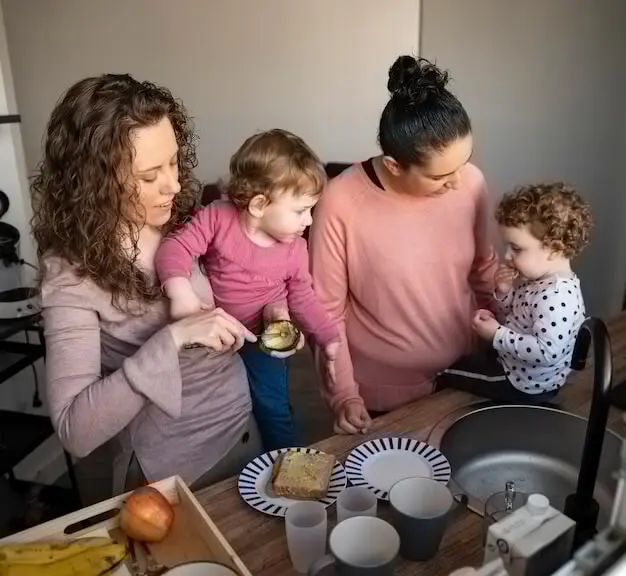
Seat storytellers beside statisticians, frontline agents beside architects, and junior teammates beside seniors with mentoring instincts. Give them a tiny joint deliverable that forces translation, like a decision tree with user quotes and thresholds. The objective is mutual intelligibility, not perfect polish. Celebrate small misalignments as learning fuel, and document clarified definitions for your glossary. Invite pairs to post a photo of their artifact and one surprise insight so the full group learns asynchronously afterward.
Creating Psychological Safety Around the Table
Complementary skills thrive where mistakes are cheap and curiosity is rewarded. Lunch softens hierarchy, but safety still needs scaffolding: transparent norms, opt-in sharing, and visible appreciation. Challenge ideas without challenging people. Rotate facilitators, credit contributions, and deliberately ask quieter voices first. If trust wobbles, pause and restate goals in plain language. Encourage anonymous pre-submissions for sensitive questions. Share your code of conduct and feedback rituals with us, and we will feature standout practices in future sessions.
Blending Data, Story, and Service Skills
Integrating complementary skills means fusing analytical rigor, narrative clarity, and frontline empathy. Use lunch to choreograph that blend: quick data slices, a customer vignette, and a service constraint, all inside a small decision. Teams practice translating charts into consequences, and stories into measurable tests. Over time, people share a mental model for what good looks like. Post your favorite mashups in the comments, and we will compile new labs tailored to your context.


Measuring Progress Without Killing Curiosity
Accountability fuels momentum, yet over-measurement can smother exploration. Choose micro-metrics aligned with the behaviors you practice: clearer tickets, faster clarifications, fewer rework loops, and happier handoffs. Supplement numbers with short narrative evidence and screenshots. Treat every lab like a hypothesis about how humans coordinate. Publish a friendly scorecard monthly, spotlight improvement stories, and invite volunteers to co-facilitate. Share your simplest measurement trick in the thread so others can borrow, adapt, and report back honestly.
Track leading indicators that signal better collaboration before big results arrive: time-to-clarity on requests, percentage of tasks with acceptance notes, or cycle time variance on cross-team work. Keep dashboards human-readable and visible in your common channel. If a graph confuses a non-analyst, rewrite the label into plain language. Pair each metric with one improvement lever and an owner. Review during lunch for five minutes, celebrate green shoots, and select one next knob to adjust together.
Stories make numbers stick. Ask participants to collect tiny before and after artifacts: a messy handoff example and its cleaned version, a vague commit and its sharpened template, an email thread shortened by one shared glossary term. Collage these inside a single slide, then narrate what changed and why. The ritual strengthens pride, preserves teachable moments, and persuades skeptics. Encourage readers to submit their collages, and we will showcase the most helpful examples in future posts.
Scaling Across Remote and Hybrid Teams
Geography should not block shared learning. Adapt lunches into staggered time slots, asynchronous kits, and rotating regional leads. Use lightweight tooling so access is effortless on low bandwidth. Preserve warmth with cameras-optional rituals that honor comfort and culture. Curate highlight reels so advances spread without meetings. Invite readers to comment with time zone hacks and favorite tools. We will assemble a global playbook, weaving your contributions into patterns anyone can apply next week with confidence.
All Rights Reserved.